 Foundation
Stories that heal: why we tell them
Foundation Phoenix editorial team · 2 min read
Every pillar of this foundation produces two harvests. The first is the obvious one — trees, skills, buildings, health. The second is quieter: the story of how it happened. Our media and outreach pillar exists because the second harvest is what lets the first one spread.
Real images only
The rule of our communication work is blunt: the world needs real images and stories that heal, not another highlight reel. What we publish is what happened — the nursery on a rainy day, the workshop that started late and ended well, the ambassador answering the same question for the tenth time with the same patience. Credibility is a long game, and it is the only game a foundation should play.
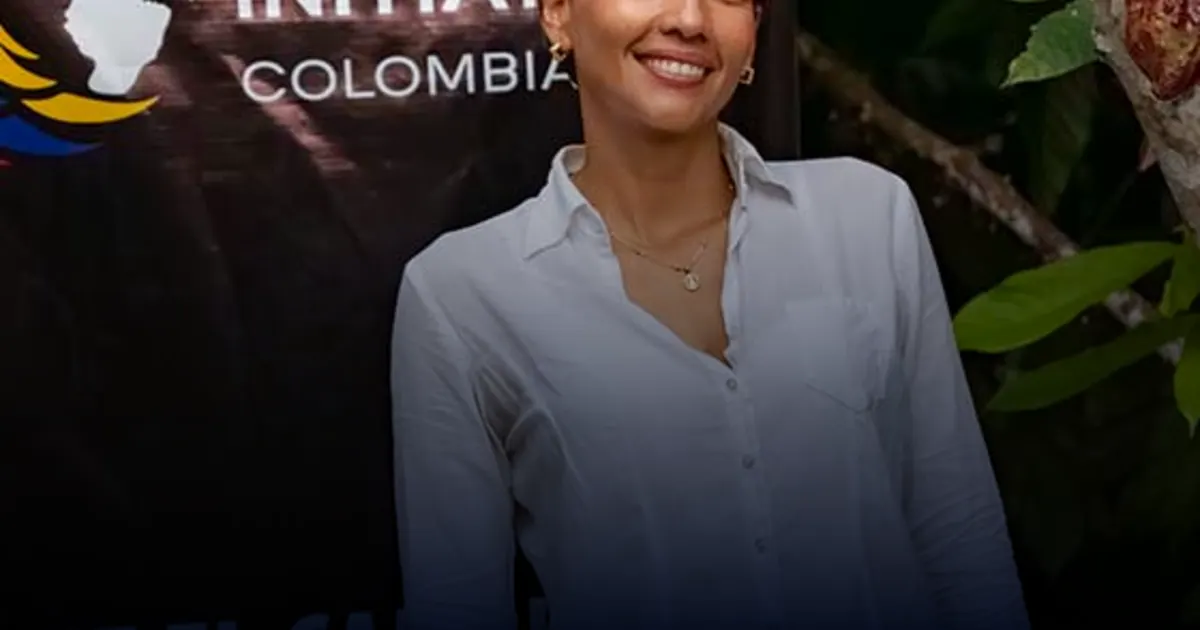
“Our mission is not only to communicate but to resonate with collective awareness. The world needs real images and stories that heal.” — Angélique, Communications and Visual Identity Manager
Amplifying local voices
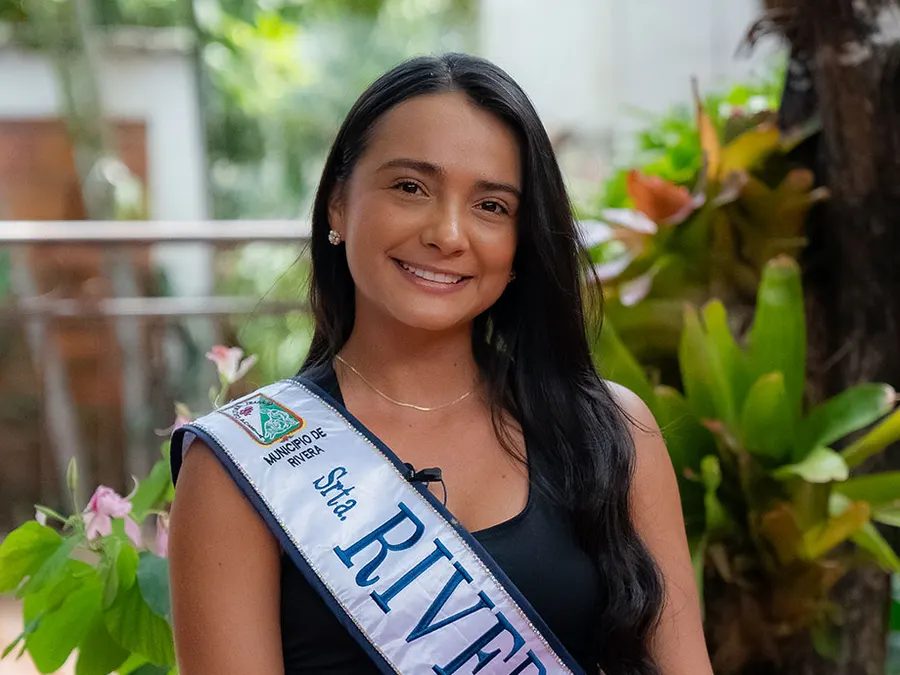
Outreach for us does not mean speaking louder; it means handing the microphone. The people who plant, build, cook and teach here are the authors of this project. Our role is to make sure their work is seen accurately — by neighbours in Rivera, by our sister foundation in France, and by everyone in between who might decide to help.
That is also why this site exists in three languages with identical content. A story that heals should not stop at a border, and a supporter in Bogotá, Vielle-Aure or elsewhere deserves the same facts.
The story you are part of
If you read this far, you are already inside the fifth pillar — the story reached you. What happens next is the interesting part: share it, question it, or come verify it in person. Foundations are built on trust, and trust is built on stories that survive being checked.