 Foundation
Walking the corridor: how a forest learns to breathe again
Foundation Phoenix editorial team · 2 min read
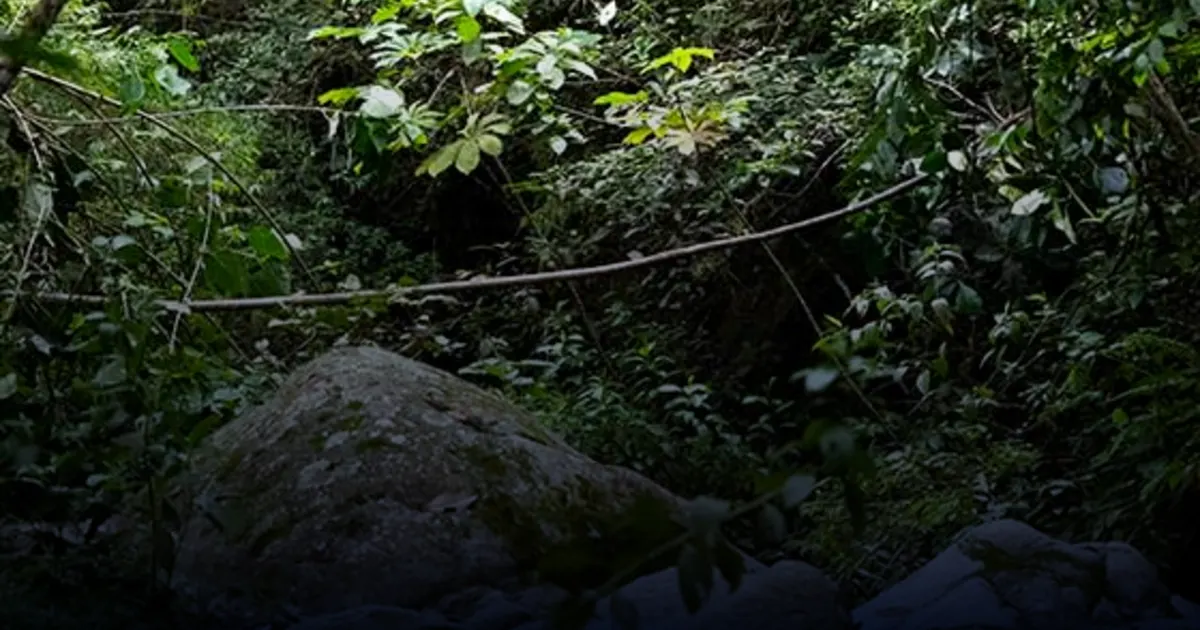
There is a moment, early in the morning, when the mist still holds the hills of Huila and the new plantings look like promises more than trees. This is where our restoration work is easiest to understand — not in reports, but on foot, walking the line where two fragments of forest are slowly becoming one.
Why corridors, not islands
A patch of forest that stands alone is a forest holding its breath. Seeds stop travelling, pollinators stop crossing, soil dries at the edges. The ecological corridors we plant link existing wooded areas and let plant and animal species migrate naturally again. Each corridor becomes a living passage where nature circulates, breathes, and comes back to life.
These buffer zones recreate the biological continuity that soil regeneration and biodiversity depend on. They are not spectacular on day one. They are spectacular on year five — and that is exactly the kind of success we are learning to value.
The nursery is a classroom
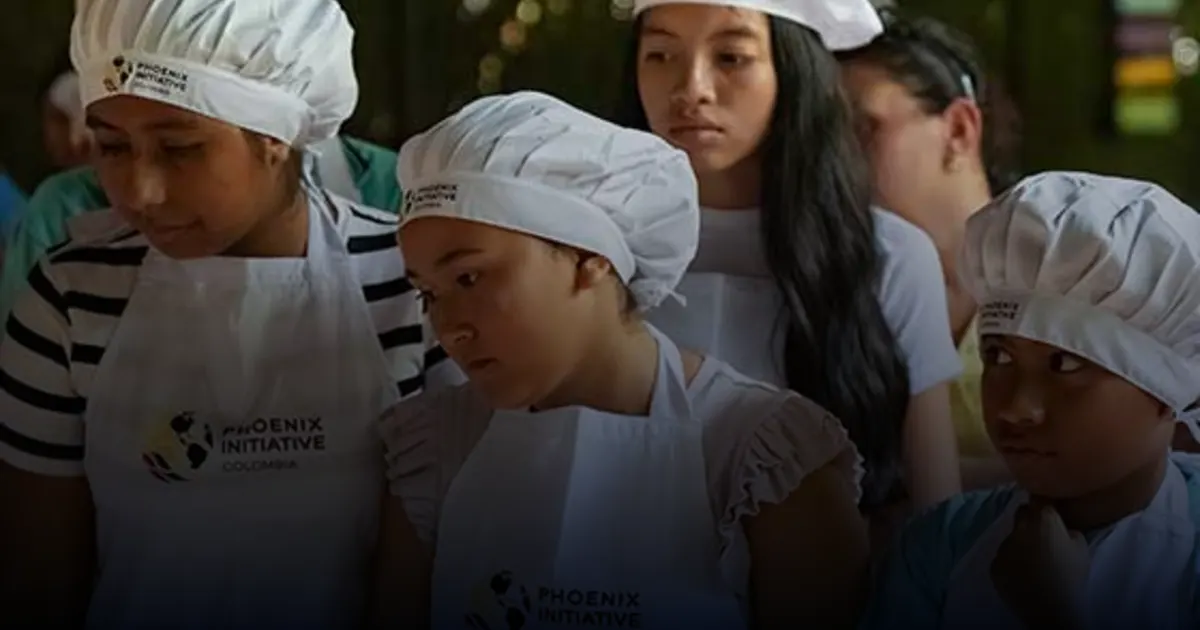
Our local nurseries are far more than growing spaces. They are living laboratories of knowledge-sharing and autonomy, where species adapted to the local climate are raised by the same hands that will plant them. Producing seedlings locally means communities can restore their own environment — and build lasting skills and employment while doing it.
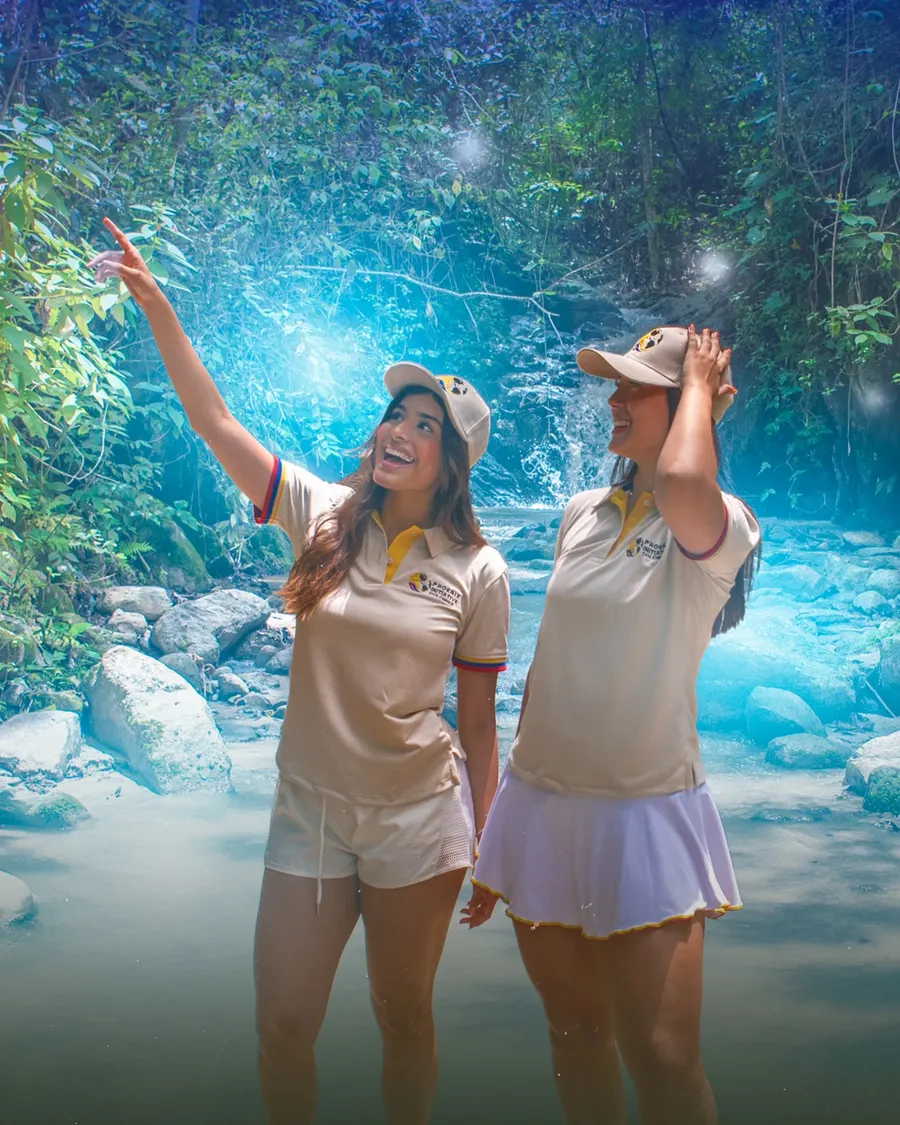
“This project taught me that regenerating the earth also means regenerating our bond with all living things. Here, every tree planted tells a story of hope and rebirth.” — Paola, Ambassador for Ecological Restoration
What a planted tree actually buys
One tree means a calmer climate around it, more fertile soil beneath it, and restored habitat inside it. Multiply that by a corridor and you get food self-sufficiency, climate resilience, and communities reconnected with their environment. That is the full return on a seedling — and none of it shows up in the first season.
Paola has carried this pillar for more than two years now, from community planting days in Rivera to representing the foundation at international events. What she repeats to every visitor is simple: restoration is not a project you finish, it is a relationship you keep.
If this is the kind of patient, structural change you want to stand behind, walk the corridor with us — support the restoration pillar or come see the nurseries yourself.